Can Reminders Reduce No Shows?
Can reminders reduce no shows? Yes - when timing, message tone, and booking setup work together to confirm intent and cut missed appointments.
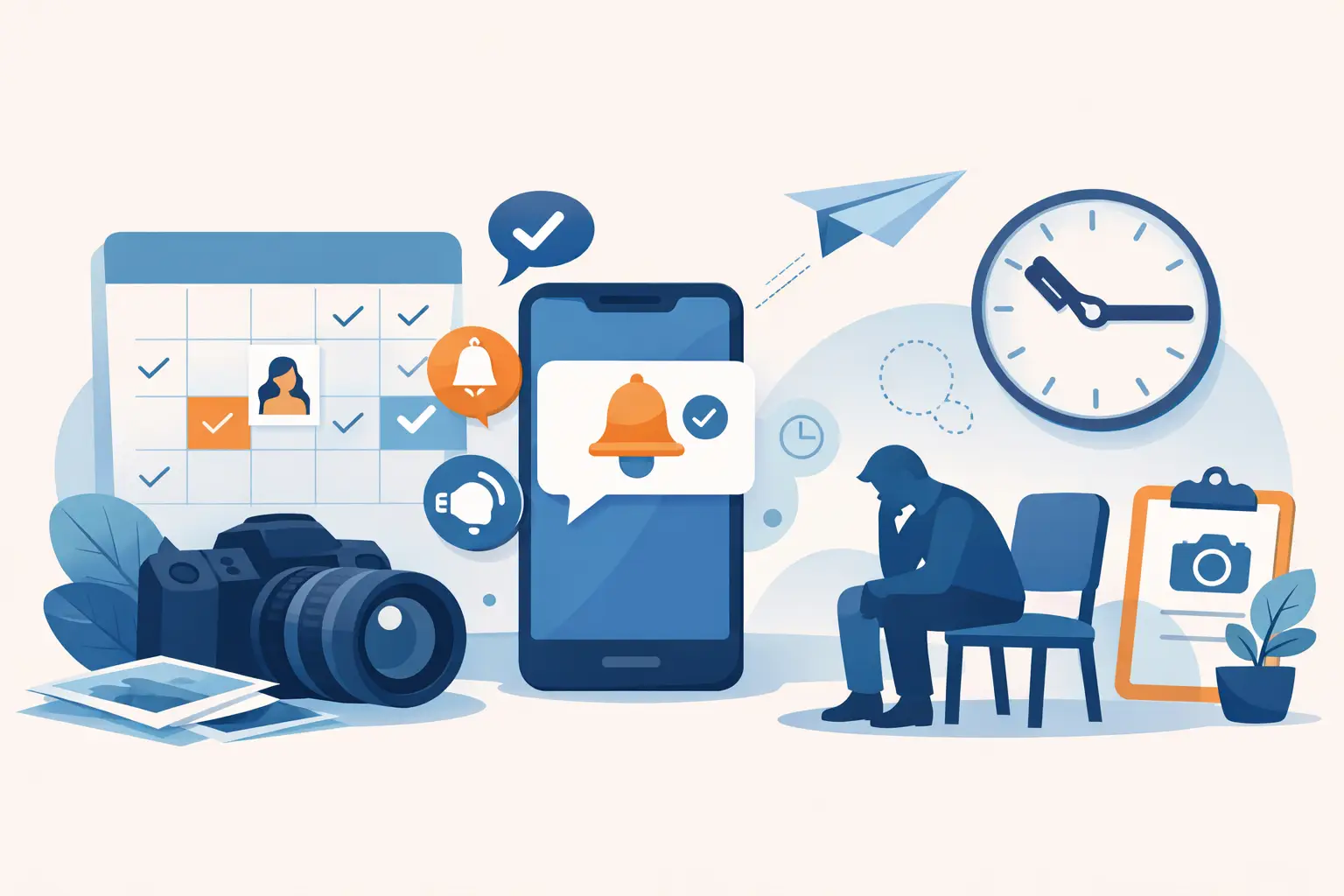
A client books a time, sounds fully committed, and then disappears. That gap between interest and attendance is where a lot of service businesses lose money. So, can reminders reduce no shows? In many cases, yes - but not because a reminder magically fixes unreliable bookings. It works because the right reminder helps clients remember, confirm, and act before the appointment becomes a missed slot.
For businesses that sell appointments and client time, that matters. A no-show is not just an empty hour. It is lost revenue, schedule disruption, and often a missed chance to book someone else.
Can reminders reduce no shows in real life?
Yes, reminders can reduce no-shows, but the result depends on what is actually causing clients to miss appointments in the first place. If someone simply forgot, a reminder is often enough to prevent the miss. If someone booked casually with no money down, no friction, and no clear cancellation expectations, reminders help less.
That distinction matters for photographers, beauty professionals, and other appointment-based businesses. Not every missed appointment happens for the same reason. Some clients forget. Some mix up the day. Some mean to cancel and never get around to it. Some were never fully committed when they booked.
A reminder works best when the real problem is memory, timing, or follow-through. It works less well when the issue is weak booking intent.
That is why the best reminder strategy is not just about sending a text the day before. It is about using reminders as part of a booking flow that reinforces commitment from the start.
Why reminders work
Most no-shows are not dramatic. They are usually small failures in attention. A client gets busy, assumes they will remember, and then misses the appointment window. Reminders reduce the mental load. Instead of asking someone to hold details in their head for days or weeks, you bring the appointment back into view at the right moment.
That simple prompt can do a few useful things at once. It refreshes the date and time. It gives the client a chance to notice a conflict. It signals that the appointment is active and expected. It can also create a subtle accountability effect. When a business follows up professionally, the booking feels more real.
For premium or time-sensitive services, that matters even more. Clients are more likely to treat the appointment seriously when the experience feels organized from the beginning.
Reminders are more effective when they do more than remind
A basic reminder says, "You have an appointment tomorrow at 2 PM." That is helpful, but it is not always enough.
A better reminder reduces uncertainty and makes the next action obvious. If a client needs to confirm, reschedule, or prepare anything in advance, the message should make that clear. When reminders are vague, clients still have to think through what to do. When reminders are specific, they are easier to act on.
For example, a reminder sent before a photo session might briefly restate the session time, location, and any preparation note the client needs. That kind of message does more than jog memory. It helps the client feel ready.
The same principle applies across appointment-based businesses. The more your reminder reduces confusion, the more likely the client is to show up on time.
Timing matters more than most businesses realize
If reminders are sent too early, they get ignored and forgotten. If they are sent too late, there is no time for the client to respond or reschedule. There is no single perfect schedule for every business, but most service providers get better results by using more than one reminder.
An initial reminder around 48 hours before the appointment gives clients enough time to spot a conflict. A second reminder closer to the appointment, often around 24 hours or the morning of, helps with simple forgetfulness.
Longer lead times usually need a stronger reminder sequence. If someone books a session three weeks ahead, a single message the day before may not be enough. Shorter lead times may need less.
This is where businesses often overcomplicate things. You do not need an elaborate workflow. You need a reminder schedule that matches how far in advance clients book and how costly a missed appointment is.
Message tone can affect response rates
Reminders should sound clear and professional, not robotic or passive-aggressive. A lot of businesses accidentally make reminders feel cold, or worse, scolding. That can hurt the client experience without improving attendance.
A good reminder sounds organized, calm, and direct. It confirms the appointment, states the details clearly, and tells the client what to do if plans have changed. That keeps the interaction practical and respectful.
Clients are more likely to respond when the message feels easy to deal with. If it sounds like a real business communicating clearly, not a warning shot, it tends to perform better.
Can reminders reduce no shows on their own?
Sometimes, but usually not as much as businesses hope.
If your booking process is loose, reminders are doing cleanup work for a bigger problem. Clients are more likely to miss appointments when booking feels casual, when there is no deposit, or when expectations around cancellation are unclear. In that setup, reminders may improve attendance somewhat, but they are not fixing the root issue.
Reminders work best alongside a stronger booking structure. That usually means the client gets a polished booking experience, receives clear confirmation right away, understands the cancellation policy, and has some financial or psychological commitment to the appointment.
Deposits can be especially important here. They do not replace reminders, and reminders do not replace deposits. They solve different parts of the problem. A deposit helps qualify commitment. A reminder helps prevent forgetfulness and last-minute drift.
Used together, they tend to reduce no-shows more reliably than either one alone.
When reminders help less
There are cases where reminders will not move the needle much. If your clients often book impulsively and back out when something better comes up, reminders may simply reveal that weak intent earlier. That is still useful, but it is different from preventing a no-show.
They also help less when the reminder arrives with no easy way to respond. If a client realizes they cannot make it but has to call during business hours or send a message into a crowded inbox, some will avoid dealing with it. Then the no-show still happens.
Another issue is inconsistency. If some clients get reminders and others do not, or if reminder timing changes constantly, results become harder to predict. Reliability matters. Clients notice when your process feels polished.
What a practical reminder strategy looks like
For most small service businesses, the goal is not to build a complicated communication system. It is to make bookings feel confirmed, expected, and easy to manage.
That usually starts with an immediate confirmation after booking. Then a reminder sequence reinforces the appointment at sensible times. The message includes the key details, avoids unnecessary wording, and gives the client a clear path if they need to make a change.
If your business depends on protecting premium time slots, reminders should also sit inside a wider workflow that includes deposits and clear expectations. That is where a platform like Revenue Studio fits naturally - not as extra software for the sake of it, but as a way to keep booking, payment, and reminders working together.
The real benefit is not just fewer missed appointments. It is less manual follow-up, fewer awkward last-minute gaps, and a more professional client experience.
How to tell if your reminders are working
The simplest measure is whether no-shows go down after reminders are introduced or improved. But there are smaller signals worth watching too.
Pay attention to how often clients confirm, how many reschedule before the appointment instead of disappearing, and whether staff or solo operators are spending less time chasing people manually. Those changes often show that reminders are doing their job even before the no-show rate fully settles.
It is also worth comparing reminder timing and message style over time. If one version gets more confirmations or fewer last-minute misses, that is useful data. Small wording changes can matter more than expected.
The key is to stay practical. You do not need perfect attribution. You need a system that clearly reduces preventable misses and protects your schedule.
The better question is how reminders fit into your booking flow
Asking can reminders reduce no shows is a good start, but the stronger question is how reminders fit into the full client journey. The best results usually come from a simple chain: a clean booking experience, a clear confirmation, some level of commitment, and reminders that arrive at the right time.
That approach does not just reduce missed appointments. It makes your business feel easier to book, easier to trust, and easier to show up for.
If a client is going to miss an appointment, it is better to know early. If they were simply going to forget, a well-timed reminder may save the booking. Either way, the right system gives you fewer surprises and more control over your calendar.